How to Cultivate Kindness in Children

Cultivating kindness in children is an important aspect of their social and emotional development. Teaching children to be kind not only helps them build positive relationships but also contributes to a more compassionate and empathetic society. Here are some strategies to foster kindness in children:
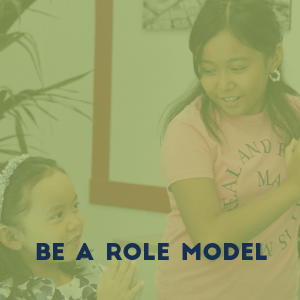
BE A ROLE MODEL

Children learn by example. Demonstrate kindness in your own actions and interactions with others. Your behavior serves as a powerful model for them to follow.
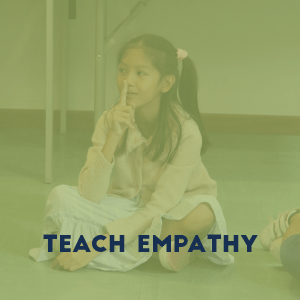
TEACH EMPATHY

Help children understand and share the feelings of others. You can do this by discussing emotions and encouraging them to put themselves in someone else’s shoes. Reading books or watching movies that focus on empathy can also be helpful.
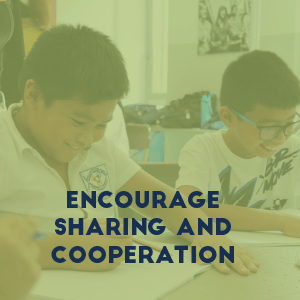
ENCOURAGE SHARING AND COOPERATION

Promote sharing and cooperation in daily activities, such as playing games, working on projects, and sharing toys. Emphasize the importance of teamwork and collaboration.
PRAISE KIND BEHAVIOR

When you observe your child being kind or helpful, acknowledge and praise their actions. Positive reinforcement reinforces their understanding that kindness is valued.
USE POSITIVE DISCIPLINE

Instead of using punitive measures, use positive discipline to teach children about the consequences of their actions. Help them understand the impact of their behavior on others and guide them toward making better choices.
TEACH RESPECT

Instill a sense of respect for others by explaining the importance of treating everyone with courtesy, regardless of their differences. Encourage open conversations about diversity and inclusivity.
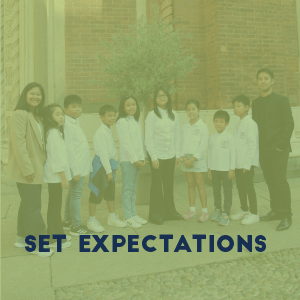
SET EXPECTATIONS

Clearly communicate your expectations for kindness and respectful behavior. Create family rules that emphasize these values and consistently enforce them.
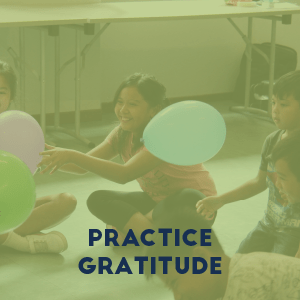
PRACTICE GRATITUDE

Encourage children to recognize the good things in their lives and express gratitude. Grateful children are often more compassionate and generous.
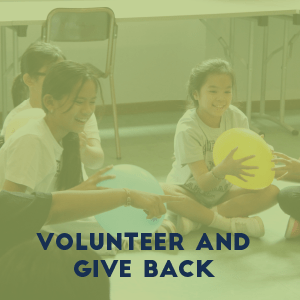
VOLUNTEER AND GIVE BACK

Engage children in community service and volunteering opportunities. This helps them understand the value of helping others and making a positive impact on the world.
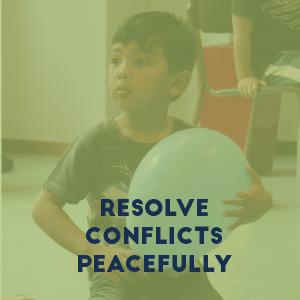
RESOLVE CONFLICTS PEACEFULLY

Teach children conflict resolution skills, emphasizing non-violent and respectful methods of resolving disagreements. Model these skills when resolving conflicts in your own life.
FOSTER GROWTH MINDSET

Encourage children to see their abilities and character as something that can be developed with effort and practice. A growth mindset helps them become more resilient and open to learning from their mistakes.
ENCOURAGE ACTS OF KINDNESS

Promote random acts of kindness, both within the family and in the community. Discuss the positive feelings that come from making someone else’s day better.
OPEN COMMUNICATION

Create an environment where children feel comfortable talking about their feelings, concerns, and experiences. This allows you to address any issues related to kindness promptly.

Remember that cultivating kindness is an ongoing process that takes time and patience. Be consistent in your efforts and celebrate the progress your child makes along the way. By fostering kindness, you can help your children grow into compassionate, considerate, and empathetic individuals.

(Credit: ChatGPT)
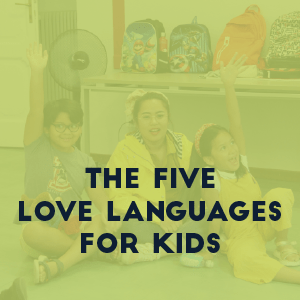
The Five Love Languages for Kids: Nurturing Love and Connection

Love is a beautiful and essential part of our lives. It’s what makes us feel happy, secure, and valued. Just like adults, kids also have their unique ways of expressing and receiving love. Understanding these love languages can help parents, caregivers, and educators build stronger and more fulfilling relationships with children. In this essay, we will explore the concept of love languages for kids and how they can be applied to promote healthy development and emotional well-being.

What Are Love Languages?

The concept of love languages was popularized by Dr. Gary Chapman in his book “The Five Love Languages.” According to Dr. Chapman, every individual has a primary way of giving and receiving love. These primary ways are known as “love languages.” For kids, these love languages manifest in specific ways that help them feel loved and connected to the people in their lives.

The Five Love Languages for Kids

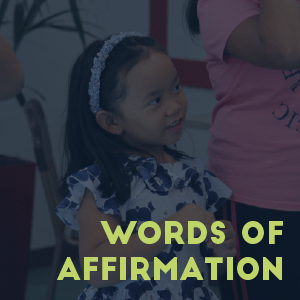
WORDS OF AFFIRMATION
Words have incredible power, especially when it comes to children. Kids who have Words of Affirmation as their primary love language thrive on verbal expressions of love and encouragement. Simple phrases like “I love you,” “You’re special,” or “I’m proud of you” can make a world of difference to them. Compliments and positive affirmations help boost their self-esteem and create a sense of security.

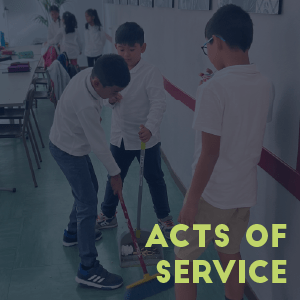
ACTS OF SERVICE
Some children feel most loved when others do things for them. Acts of Service as a love language involve taking actions that show your care and consideration. For kids, this might mean helping them with their homework, preparing their favorite meal, or assisting them with chores. These acts demonstrate that you’re willing to invest time and effort in their happiness.

PHYSICAL TOUCH
Physical Touch is a powerful love language for kids. Hugs, kisses, cuddles, and holding hands are all ways to convey affection. Physical touch provides comfort and reassurance, making children feel safe and loved. Physical touch is especially important for younger children, as it helps them bond with their caregivers and develop trust.

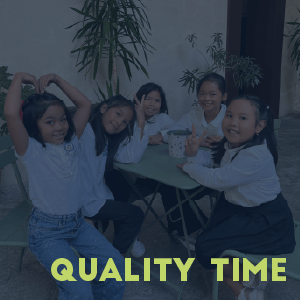
QUALITY TIME
Quality Time is about giving your undivided attention to your child. In today’s busy world, spending meaningful time together can be a true gift. Whether it’s playing games, going for a walk, or reading a book together, kids who value quality time cherish these moments as expressions of love and connection.

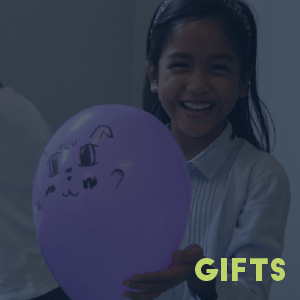
GIFTS
Some kids feel loved through receiving thoughtful gifts. These don’t have to be extravagant; even small tokens of affection can make a big impact. Gifts show that you were thinking of them and that you care enough to bring them something special. It’s not about materialism but rather the sentiment behind the gift.

Applying Love Languages for Kids

Understanding a child’s primary love language is the first step. To do this, parents, caregivers, and educators can observe how the child expresses affection and what makes them feel loved. Here are some ways to apply love languages effectively:

  1. Communicate: Talk openly with your child about love languages. Encourage them to express their feelings and preferences, helping them understand that everyone has different ways of feeling loved.
  2. Observe: Pay attention to your child’s behavior and reactions. Notice what activities or gestures make them happiest and most content.
  3. Adapt: Tailor your expressions of love to match your child’s love language. If your child thrives on Words of Affirmation, provide regular praise and encouragement. If they prefer Physical Touch, offer hugs and cuddles as often as needed.
  4. Mix It Up: While it’s important to focus on their primary love language, don’t neglect the others entirely. A balanced approach can provide a well-rounded sense of love and security.

Understanding and applying the concept of love languages for kids is a powerful tool for building strong, loving relationships. By recognizing and speaking a child’s primary love language, parents, caregivers, and educators can foster emotional well-being, self-esteem, and a deep sense of connection. In doing so, we help children grow into confident and emotionally resilient individuals who are capable of giving and receiving love in meaningful ways.

(Credit: ChatGPT)