
Cultivating kindness in children is an important aspect of their social and emotional development. Teaching children to be kind not only helps them build positive relationships but also contributes to a more compassionate and empathetic society. Here are some strategies to foster kindness in children:
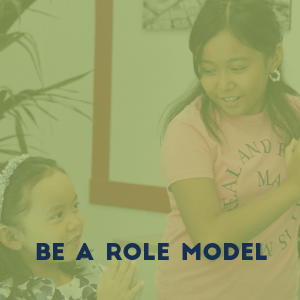
BE A ROLE MODEL
Children learn by example. Demonstrate kindness in your own actions and interactions with others. Your behavior serves as a powerful model for them to follow.
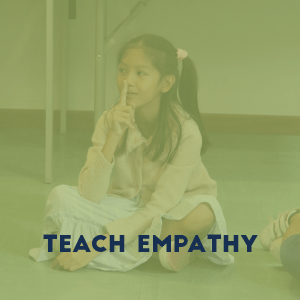
TEACH EMPATHY
Help children understand and share the feelings of others. You can do this by discussing emotions and encouraging them to put themselves in someone else’s shoes. Reading books or watching movies that focus on empathy can also be helpful.
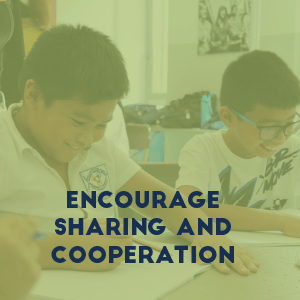
ENCOURAGE SHARING AND COOPERATION
Promote sharing and cooperation in daily activities, such as playing games, working on projects, and sharing toys. Emphasize the importance of teamwork and collaboration.
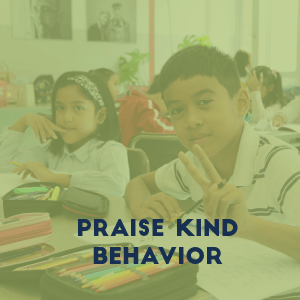
PRAISE KIND BEHAVIOR
When you observe your child being kind or helpful, acknowledge and praise their actions. Positive reinforcement reinforces their understanding that kindness is valued.
USE POSITIVE DISCIPLINE
Instead of using punitive measures, use positive discipline to teach children about the consequences of their actions. Help them understand the impact of their behavior on others and guide them toward making better choices.
TEACH RESPECT
Instill a sense of respect for others by explaining the importance of treating everyone with courtesy, regardless of their differences. Encourage open conversations about diversity and inclusivity.
SET EXPECTATIONS
Clearly communicate your expectations for kindness and respectful behavior. Create family rules that emphasize these values and consistently enforce them.
PRACTICE GRATITUDE
Encourage children to recognize the good things in their lives and express gratitude. Grateful children are often more compassionate and generous.
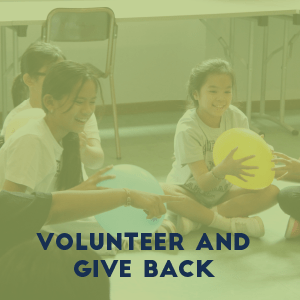
VOLUNTEER AND GIVE BACK
Engage children in community service and volunteering opportunities. This helps them understand the value of helping others and making a positive impact on the world.
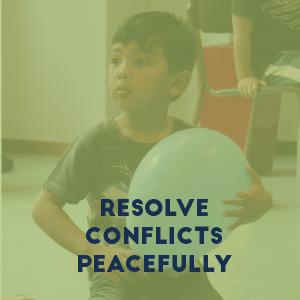
RESOLVE CONFLICTS PEACEFULLY
Teach children conflict resolution skills, emphasizing non-violent and respectful methods of resolving disagreements. Model these skills when resolving conflicts in your own life.
FOSTER GROWTH MINDSET
Encourage children to see their abilities and character as something that can be developed with effort and practice. A growth mindset helps them become more resilient and open to learning from their mistakes.
ENCOURAGE ACTS OF KINDNESS
Promote random acts of kindness, both within the family and in the community. Discuss the positive feelings that come from making someone else’s day better.
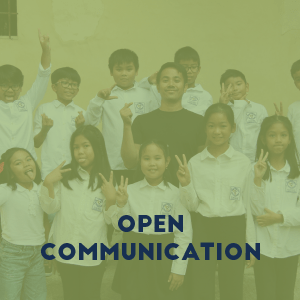
OPEN COMMUNICATION
Create an environment where children feel comfortable talking about their feelings, concerns, and experiences. This allows you to address any issues related to kindness promptly.
Remember that cultivating kindness is an ongoing process that takes time and patience. Be consistent in your efforts and celebrate the progress your child makes along the way. By fostering kindness, you can help your children grow into compassionate, considerate, and empathetic individuals.
(Credit: ChatGPT)

 Cleopa Learning Center